From fibre to finished garment: the machines a textile unit needs
A step-by-step guide to spinning, fabric making, dyeing and sewing, the machine that does each job, and how to ask for a quotation.
A step-by-step guide to spinning, fabric making, dyeing and sewing, the machine that does each job, and how to ask for a quotation.
Type a machine name or a step of the work.
No match yet. Tell us what you need and we will help. Get a quote
Step 1: Opening and carding
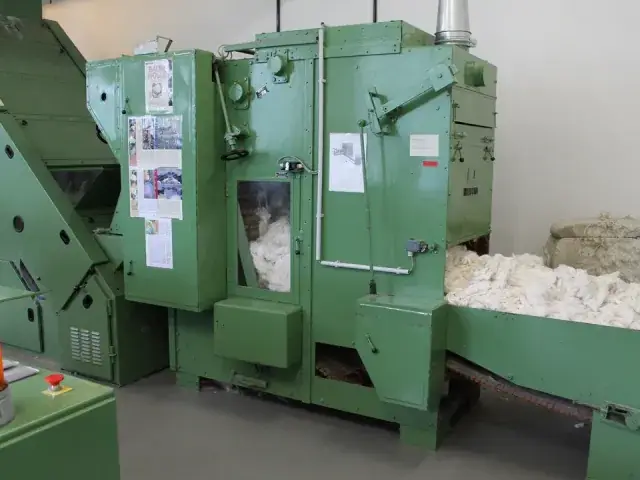
Plucks small tufts from the tops of many cotton bales at once and blows them on, mixed, to cleaning.
Availability subject to feasibility check
Request this machineStep 1: Opening and carding
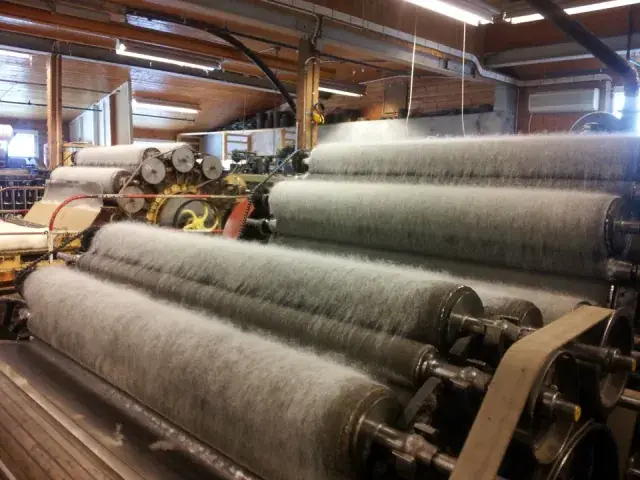
Wire-covered cylinders comb the tufts into single fibres, take out short fibres and trash, and form a soft rope called sliver.
Availability subject to feasibility check
Request this machineStep 2: Spinning
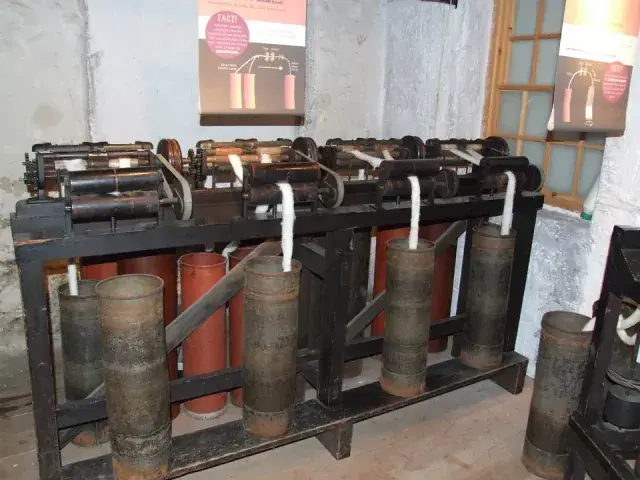
Combines several slivers and draws them out between rollers, so the sliver becomes even and its fibres lie straight.
Availability subject to feasibility check
Request this machineStep 2: Spinning
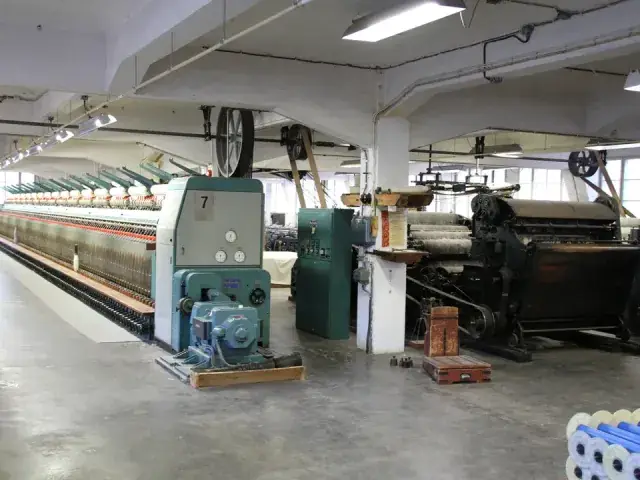
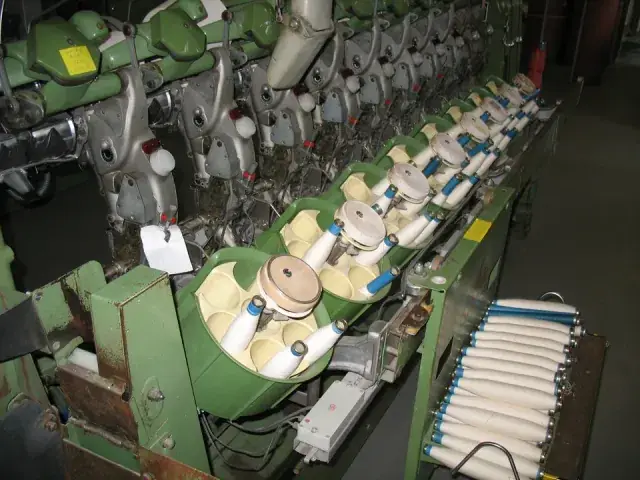
Long rows of spindles draw roving thinner and twist it into yarn, winding it onto bobbins.
Availability subject to feasibility check
Request this machineStep 2: Spinning
Unwinds yarn from small bobbins, clears out faults and winds it onto large cones ready for knitting or weaving.
Availability subject to feasibility check
Request this machineStep 3: Knitting or weaving
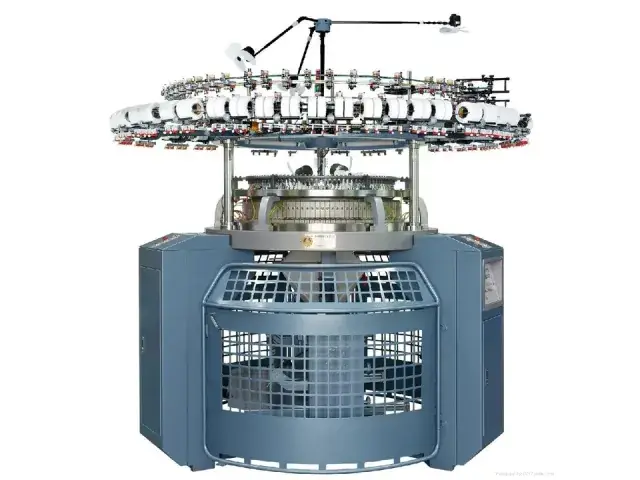
Needles set round a turning cylinder knit yarn from many cones into a continuous tube of fabric.
Availability subject to feasibility check
Request this machineStep 3: Knitting or weaving
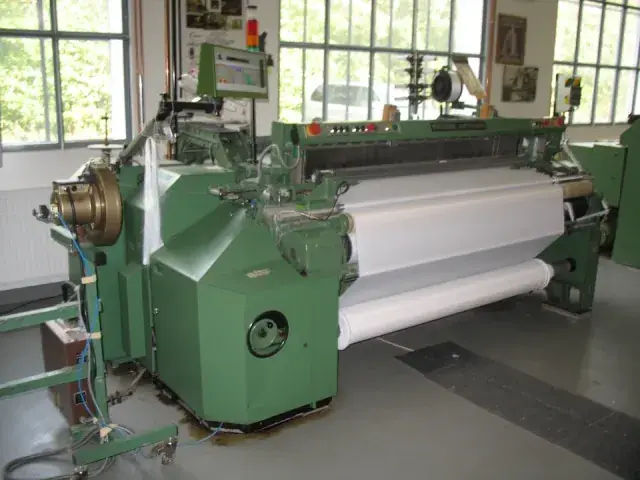
Lifts some warp threads and lowers others, then shoots weft yarn across and beats it in, to weave woven fabric.
Availability subject to feasibility check
Request this machineStep 4: Dyeing
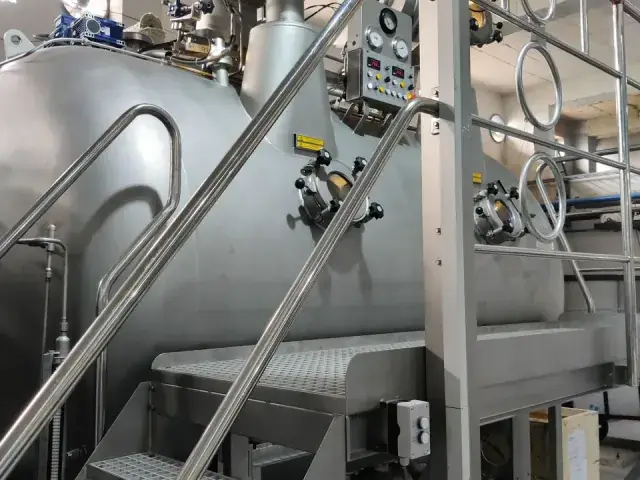
A closed vessel where fabric circulates in hot dye liquor, driven by a jet of liquor or a turning winch, until the colour is even.
Availability subject to feasibility check
Request this machineStep 4: Dyeing
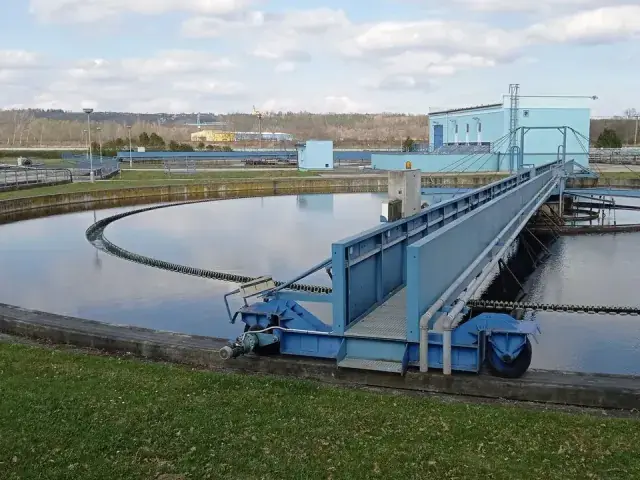
Tanks that balance, treat and settle the coloured waste water from dyeing before it is released.
Availability subject to feasibility check
Request this machineStep 5: Fabric finishing
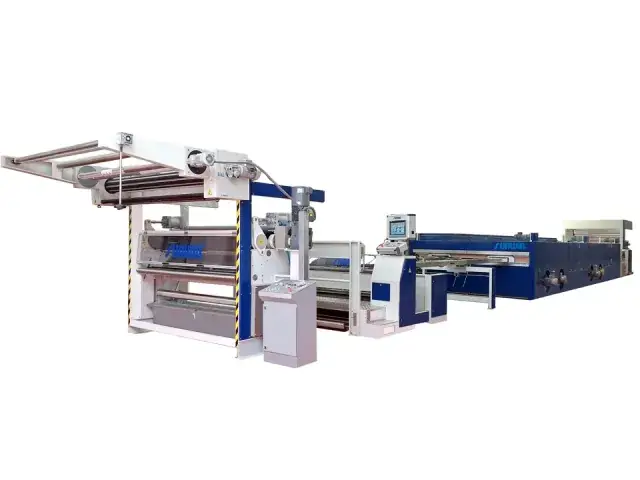
Clips hold the fabric edges and carry it through a long hot-air oven, which dries it and sets its width.
Availability subject to feasibility check
Request this machineStep 5: Fabric finishing
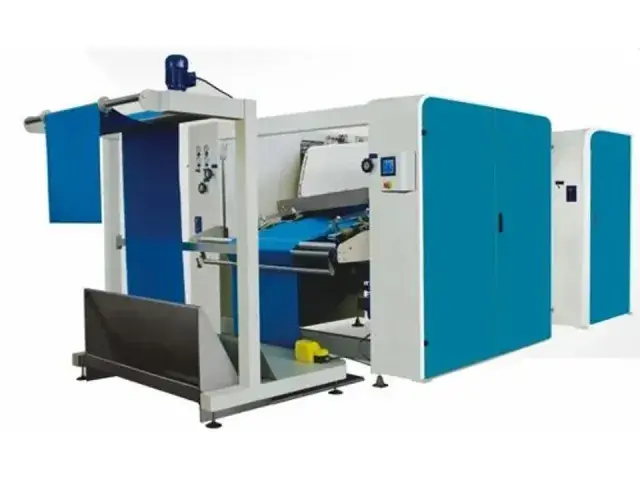
Presses knitted fabric between a heated roller and a felt blanket, so it shrinks less after the garment is washed.
Availability subject to feasibility check
Request this machineStep 6: Cutting and sewing
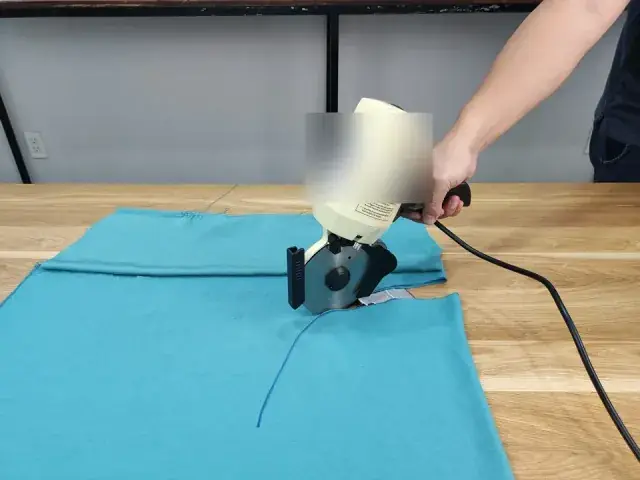
A knife on a heavy base, or a computer-guided cutter, that cuts many layers of fabric at once along the pattern.
Availability subject to feasibility check
Request this machineStep 6: Cutting and sewing
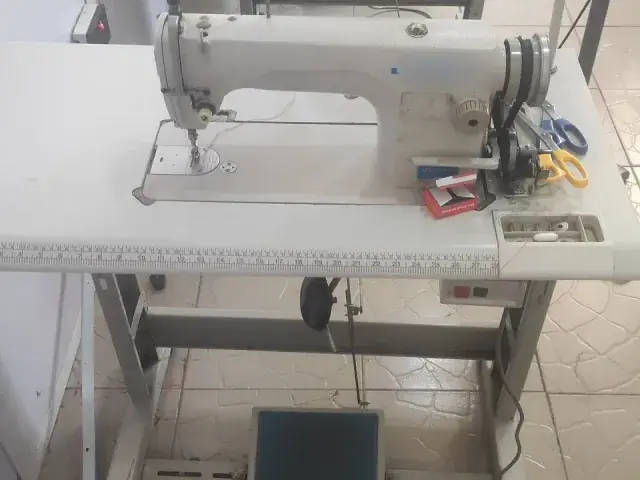
A sewing head on a table, driven by a motor beneath, that runs fast all day; lockstitch, overlock and other types each do their own seam.
Availability subject to feasibility check
Request this machineStep 7: Pressing, checking and packing
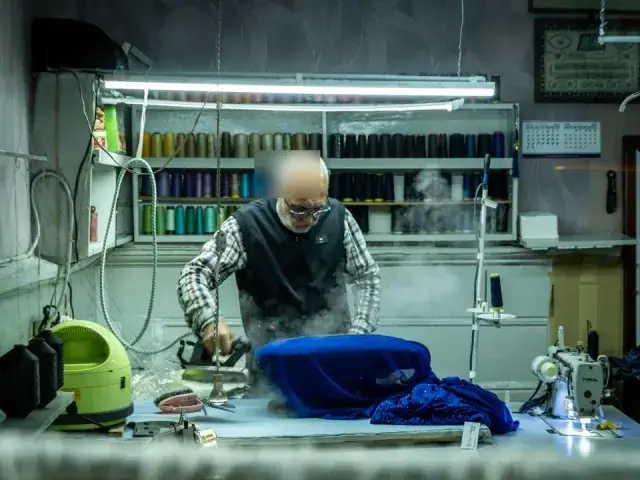
A steam iron on a vacuum table, or a steam press, that takes the creases out of finished garments before folding.
Availability subject to feasibility check
Request this machineStep 7: Pressing, checking and packing
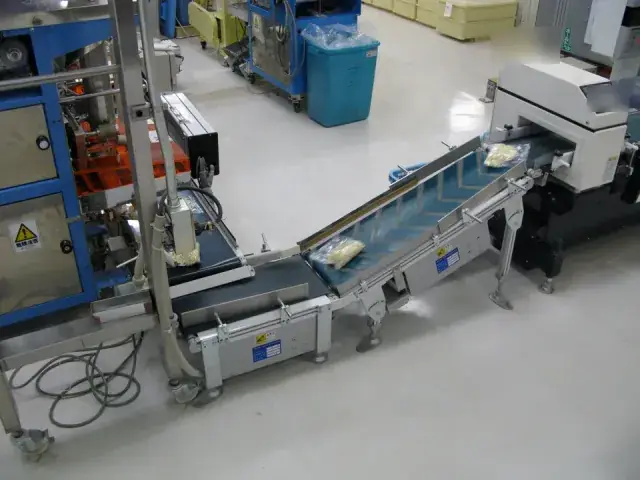
A conveyor through a detection tunnel that stops the belt when it senses a broken needle or other metal in a garment.
Availability subject to feasibility check
Request this machineThe main steps from raw cotton to a packed garment and the type of machine that usually does each one. Many factories do only some of them.
Bales are opened and cleaned, and the fibres are combed into a soft rope called sliver.
Machines at this step: Bale opener, Carding machine
Slivers are drawn out thinner and twisted into yarn, which is wound onto cones.
Machines at this step: Draw frame, Ring spinning frame, Winding machine
Yarn becomes fabric, either knitted in loops for T-shirts and sweaters or woven for shirts and denim.
Machines at this step: Circular knitting machine, Weaving loom
Fabric is cleaned, bleached and dyed; the used water must be treated before it leaves the factory.
Machines at this step: Fabric dyeing machine, Effluent treatment plant
Layers of fabric are cut to pattern and the pieces are sewn into garments on a production line.
Machines at this step: Fabric cutting machine, Industrial sewing machine
Garments are pressed, checked for stray needles and faults, folded and packed for shipment.
Machines at this step: Steam press, Needle detector
See the machines that print, cut and fold labels, tags and cartons.